Lemon Balm

Also known as: Melissa Officinalis, Cure-All, Mélisse Citronnelle, Honey Plant, Sweet Mary
- Read more about Lemon Balm
- Log in to post comments
Also known as: Melissa Officinalis, Cure-All, Mélisse Citronnelle, Honey Plant, Sweet Mary

Also known as: Alchemilla Vulgaris, Lion’s Foot, Manteau de Notre-Dame, Marienmantel
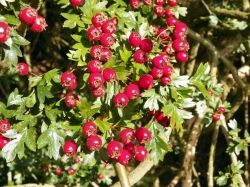
Also known as: Crataegus monogyna, Harthorne, Shen Zha, Poire d’Oiseaux
Healer of the heart, Hawthorn has proven beneficial effects on cardiovascular disease. Considered by Germanic and Slavic populations a magic plant, strengthening the hearts of good people and weakening the hearts of evil and malefic people, Hawthorn was a constant ingredient in the recipes of Paracelsus for the elixir of youth and long life. Another legend also says that Hawthorn grew from the old sceptre (staff) of Saint Joseph.

Also known as: Chelidonium Majus, Tetterwort, Herbe à Verrues, Racine de Chélidoine
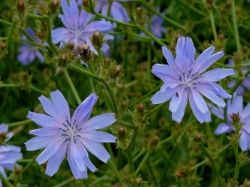
Also known as: Cichorium Intybus, Blue Sailors, Barbe de Capucin, Herbe à Café
Chicory extract is the only natural remedy known to maintain the balance of hunger and satiety hormones (ghrelin and leptin), thus explaining the miraculous dietary effect and the positive impact on yo-yo effect. Treasured mostly as a remedy for weight problems due to its appetite and metabolism regulation properties, Chicory has also important healing powers.

Also known as: Acorus Calamus, Belle-Angélique, Sweet Grass, Myrtle Flag
The first thing that comes to my mind when I think of Calamus is my continuous struggle with tobacco addiction. Chewing chopped Calamus root is a useful trick, when trying to quit smoking because its bitter and aromatic taste often diminishes the smoking need and makes cigars still lit quite repugnant. (Caution: After chewing the dry root, be careful not to ingerate it!)

Also known as: Sambucus nigra, Arbre de Judas, Sureau Noir, Ellanwood
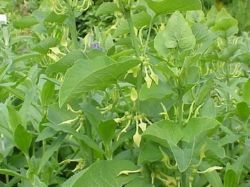
Also known as: Aristolochia clematitis, Poison de Terre, Virginia Snakeroot, Guang Fang Ji

Also known as: Arnica Montana, Wundtkraut, Doronic d’Allemagne, Plantin des Alpes
This precious healing flower, kept as a secret by wizards from the mountains, was used by the Romans to heal the wounds from battles. Arnica helps the cicatrization and facilitates the quick recovery of skin tissue, healing wounds and scars, chapped lips, acne, varicose ulcers and even skin cancer lesions.

Alternative names: Vaccinium Vitis–idaea, Lingenberry, Airelle, Foxberry
Evergreen bush, found in Asia, Northern Europe and North America, Alpine Cranberry is a powerful anti-infectious agent, part of the Ericaceae family. A common ingredient in Euroasian diets, the Alpine Cranberry fruit can be used fresh or cooked and is also found in syrups, wines and liqueurs. Fruits contain chemicals known as benzoates, which are the natural, unharmful alternative for E 211 (sodium benzoate), having preservative qualities.